A Sweet Taste of Dubrovnik’s Culinary Heritage
Dubrovnik is a city where centuries of history, Mediterranean influences and cherished family traditions come together around the table. While its seafood, olive oil and local wines often take centre stage, the region’s traditional desserts reveal an equally fascinating side of its culinary heritage. From delicate custards to fragrant citrus sweets, these recipes reflect generations of home cooking and the simple pleasures of Dalmatian life.
For visitors discovering Dubrovnik, tasting these traditional delicacies offers a wonderful opportunity to experience the flavours and stories that have shaped the region’s gastronomic identity.
Rozata – Dubrovnik’s Most Beloved Dessert
Perhaps the most celebrated sweet in Dubrovnik, rozata is a delicate custard dessert prepared with milk, eggs, sugar and caramel. Traditionally flavoured with a touch of rose liqueur, it has a smooth, creamy texture and a subtle floral aroma that makes it instantly recognisable.
Closely associated with Dubrovnik’s culinary history, rozata has remained a favourite at family celebrations and traditional restaurants. Its elegant simplicity reflects the Mediterranean approach to cooking, where a handful of carefully chosen ingredients can create something truly memorable.
Arancini – The Fragrance of Mediterranean Citrus
Along the Dalmatian coast, orange trees have long been part of the region’s gardens and courtyards. One of the sweetest ways to preserve their fragrance is through arancini, thin strips of orange peel slowly candied in sugar.
These traditional treats are especially popular during festive occasions, although they can be enjoyed throughout the year. Their distinctive balance of sweetness and gentle citrus bitterness captures the character of the Mediterranean landscape.
Often prepared at home and shared with family and friends, arancini are a lovely example of how simple seasonal ingredients become part of a lasting culinary tradition.
Kotonjata – A Traditional Quince Delicacy
Kotonjata is another treasured sweet from Dubrovnik’s culinary heritage. Made by slowly cooking quince with sugar until it develops a rich colour and firm texture, this traditional preserve was once a familiar feature of household pantries.
Usually cut into small pieces and served as a sweet accompaniment, kotonjata reflects the resourcefulness of generations who preserved seasonal fruit to enjoy long after the harvest.
Its distinctive flavour and delicate fragrance make it a wonderful reminder of the region’s long-standing connection to the land.
Stonska Torta – A Unique Sweet from the Pelješac Peninsula
Just beyond Dubrovnik, the historic town of Ston is known for one of Croatia’s most unusual traditional desserts. Stonska torta, also called Stonska makarula, combines pasta with walnuts, sugar, chocolate and aromatic spices to create a rich and distinctive cake.
Although its ingredients may seem surprising, the result is a dessert deeply rooted in local tradition. Often prepared for celebrations and special occasions, this remarkable speciality reflects the creativity and culinary heritage of the Ston region.
For travellers exploring the Pelješac Peninsula, tasting Stonska torta offers another memorable introduction to southern Dalmatia’s gastronomic identity.
Fritule and Kroštule – Sweet Traditions of Dalmatia
Among the most recognisable sweets along the Croatian coast are fritule and kroštule, two traditional pastries closely associated with family gatherings and festive celebrations.
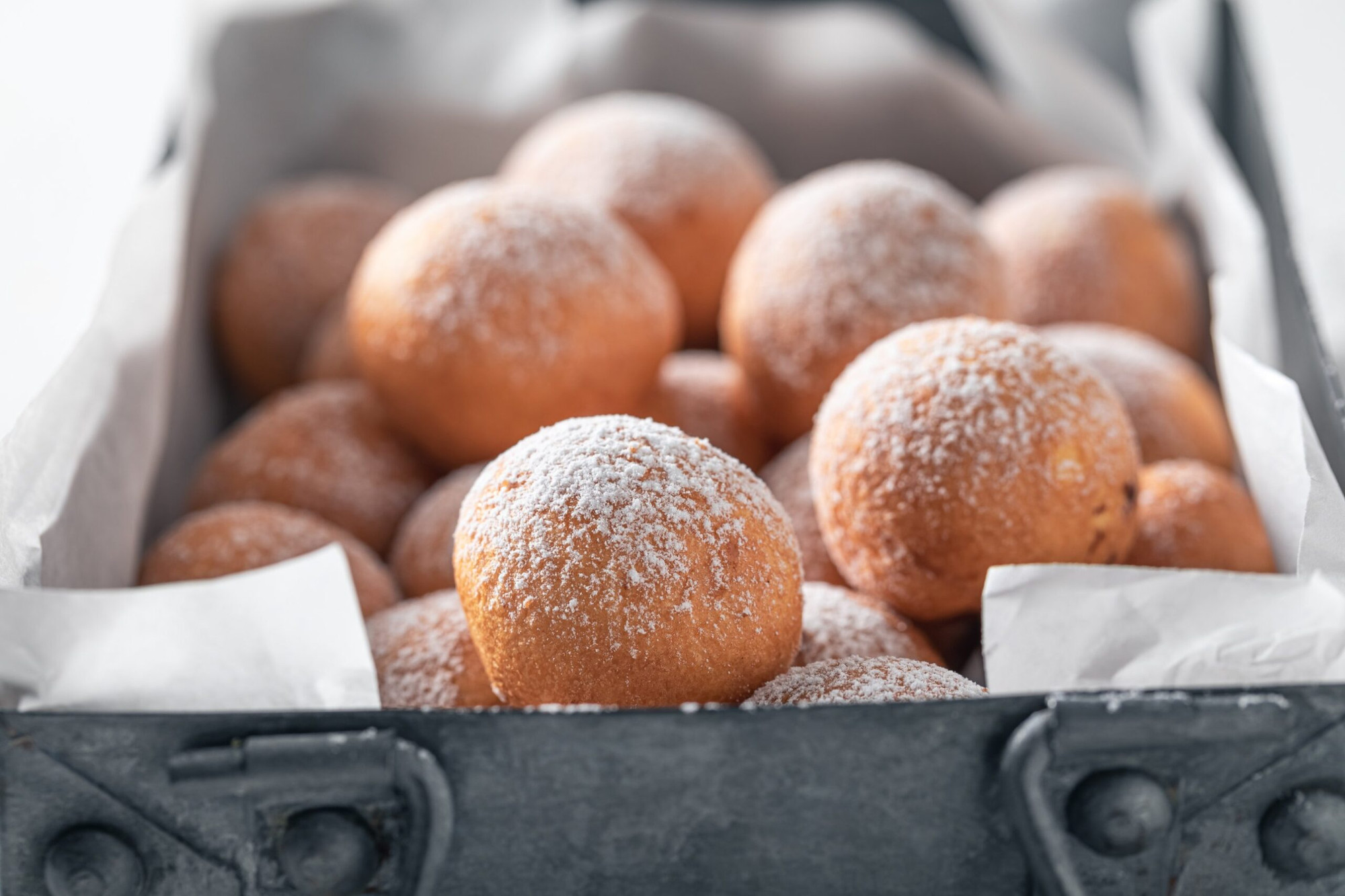
Fritule are small, golden pieces of fried dough, often enriched with citrus zest and finished with a dusting of powdered sugar. Kroštule, by contrast, are thin, delicate ribbons of pastry, fried until crisp and light.
Both desserts represent the comforting simplicity of traditional Dalmatian baking, where familiar ingredients and recipes passed down through generations continue to bring people together.
Preserving the Sweet Traditions of Dubrovnik
The desserts of Dubrovnik tell stories of family kitchens, seasonal ingredients and traditions lovingly preserved over time. Whether enjoying a chilled rozata, discovering the fragrant sweetness of arancini or tasting the unusual richness of Stonska torta, each speciality offers a small glimpse into the region’s culinary past.
For visitors, these traditional sweets are more than a pleasant ending to a meal. They are part of the cultural heritage that makes Dubrovnik and southern Dalmatia such rewarding destinations for those who love discovering a place through its food.