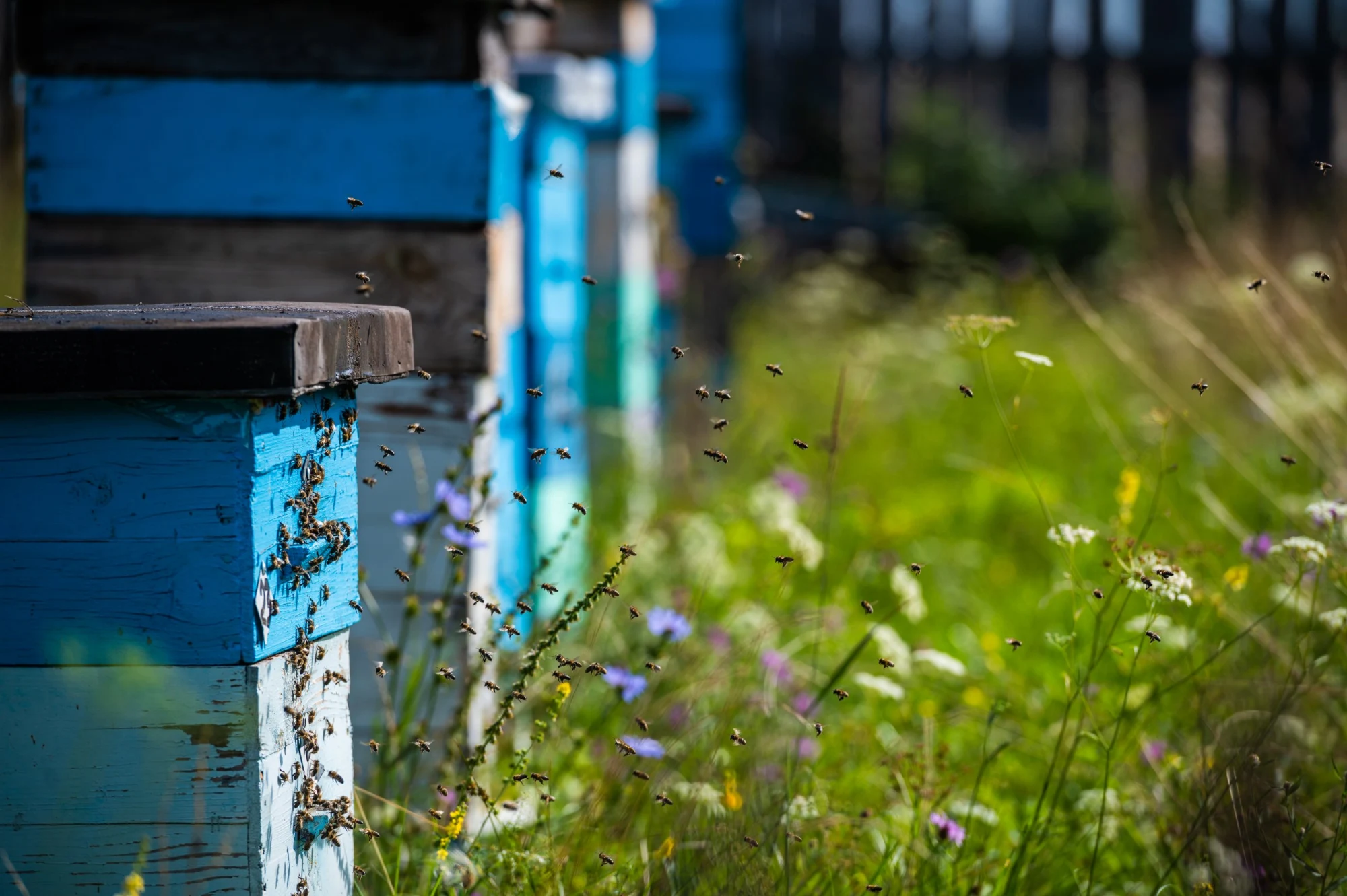
Beyond Dubrovnik’s historic city walls, the surrounding countryside is home to traditions that have shaped local life for generations. Among them is beekeeping, a practice deeply connected to the Mediterranean landscape and the remarkable variety of plants that grow along the Dalmatian coast.
From fragrant wild herbs to flowering shrubs and orchards, the natural surroundings provide the ingredients for one of the region’s most treasured products: Dalmatian honey.
For those curious about the flavours of Dubrovnik beyond its restaurants and markets, discovering local honey offers a wonderful introduction to the countryside and the people who continue to preserve its traditions.
A Taste of the Dalmatian Landscape
What makes Dalmatian honey special is its connection to the land.
The region’s warm Mediterranean climate, rocky hillsides and diverse vegetation create distinctive conditions for honey production. Depending on the season and the plants visited by the bees, honey can vary considerably in colour, aroma and flavour.
Sage honey is particularly associated with the aromatic herbs of the Adriatic coast. Other varieties reflect the region’s flowering shrubs, woodland vegetation and cultivated plants.
Some honeys are delicate and floral, while others have deeper, more pronounced flavours. Each offers a different expression of the landscape from which it comes.
In 2024, Dalmatinski med received European Protected Designation of Origin status, recognising the relationship between the product, its geographical origins and the traditional knowledge of Dalmatian beekeepers.
The Honey House in Majkovi
One of the most interesting places to discover this tradition is the small village of Majkovi, situated in the countryside northwest of Dubrovnik.
Surrounded by Mediterranean vegetation, olive groves and traditional agricultural land, Majkovi offers a glimpse into a quieter side of the Dubrovnik region.
Here, the Honey House (Kuća meda) introduces visitors to the fascinating world of bees and the long-standing importance of honey production in Dubrovnik’s coastal countryside, from traditional beekeeping methods to the remarkable organisation of a bee colony.
A glass-fronted observation hive lets visitors watch the bees at work from a safe distance.
The People Behind the Honey
Behind every jar of local honey is the work of a beekeeper.
Beekeeping requires patience, experience and an understanding of the natural environment. The flowering seasons, weather conditions and availability of nectar all influence the work throughout the year.
In the villages surrounding Dubrovnik, this knowledge has often been shared within families and local communities.
For many small producers, beekeeping is more than a way of producing food. It represents a connection to the land and a tradition worth preserving.
Meeting a local beekeeper can reveal an entirely different perspective on a product that most of us encounter simply as a jar on the breakfast table.
Honey in the Dalmatian Kitchen
Honey has long had a place in Mediterranean cooking.
Its natural sweetness makes it a wonderful companion to fresh cheese, walnuts, almonds and seasonal fruit. A little honey drizzled over creamy cheese can transform a simple plate into something memorable.
It also finds its way into traditional sweets, homemade biscuits and desserts, while some cooks use it to balance savoury flavours.
For a simple taste of Dalmatia, try a selection of local cheeses with a little honey, fresh figs when in season and a handful of toasted almonds.
It is an uncomplicated combination that celebrates the ingredients of the region.
Discovering the Countryside Beyond Dubrovnik
The story of Dalmatian honey is also a reminder that some of the region’s most interesting experiences lie beyond the familiar streets of the Old Town.
Villages such as Majkovi preserve a slower rhythm of life, where agriculture, seasonal produce and local traditions remain closely connected.
A journey through this countryside reveals olive groves, traditional stone houses and landscapes shaped by generations of farming.
For travellers interested in local food culture, places like the Honey House offer an opportunity to discover another side of Dubrovnik.
A Little Taste to Take Home
There is something particularly meaningful about bringing home a product that reflects the place you have visited.
A jar of locally produced honey is more than a sweet souvenir. It carries the flavours of the Mediterranean landscape and the work of the people who know it best.
Whether enjoyed with breakfast, paired with cheese or shared with friends, Dalmatian honey offers a small but memorable taste of Dubrovnik’s countryside.
And sometimes, it is these simple discoveries that stay with us long after a journey has ended.
Discover the Honey Traditions of Dubrovnik
For those wishing to explore this tradition beyond the page, our Artisan Honey Gourmet Tour offers a journey into the Dubrovnik countryside.
Discover the historic gardens of Trsteno, visit the Honey House in Majkovi and learn about the fascinating world of local beekeeping.
Combining nature, heritage and traditional Dalmatian hospitality, this experience reveals a quieter, more authentic side of Dubrovnik.